Thorough Estate Examination: Amplify Your Property's Financial Value
A thorough estate appraisal functions an essential part in determining property worth, especially following the loss of a family member. It guarantees an equitable distribution of assets to beneficiaries and helps in meeting financial obligations. Comprehending the multiple factors affecting assessment is vital. Furthermore, choosing the right professional can greatly impact the outcome. With many considerations at stake, how can property owners best prepare for this process?
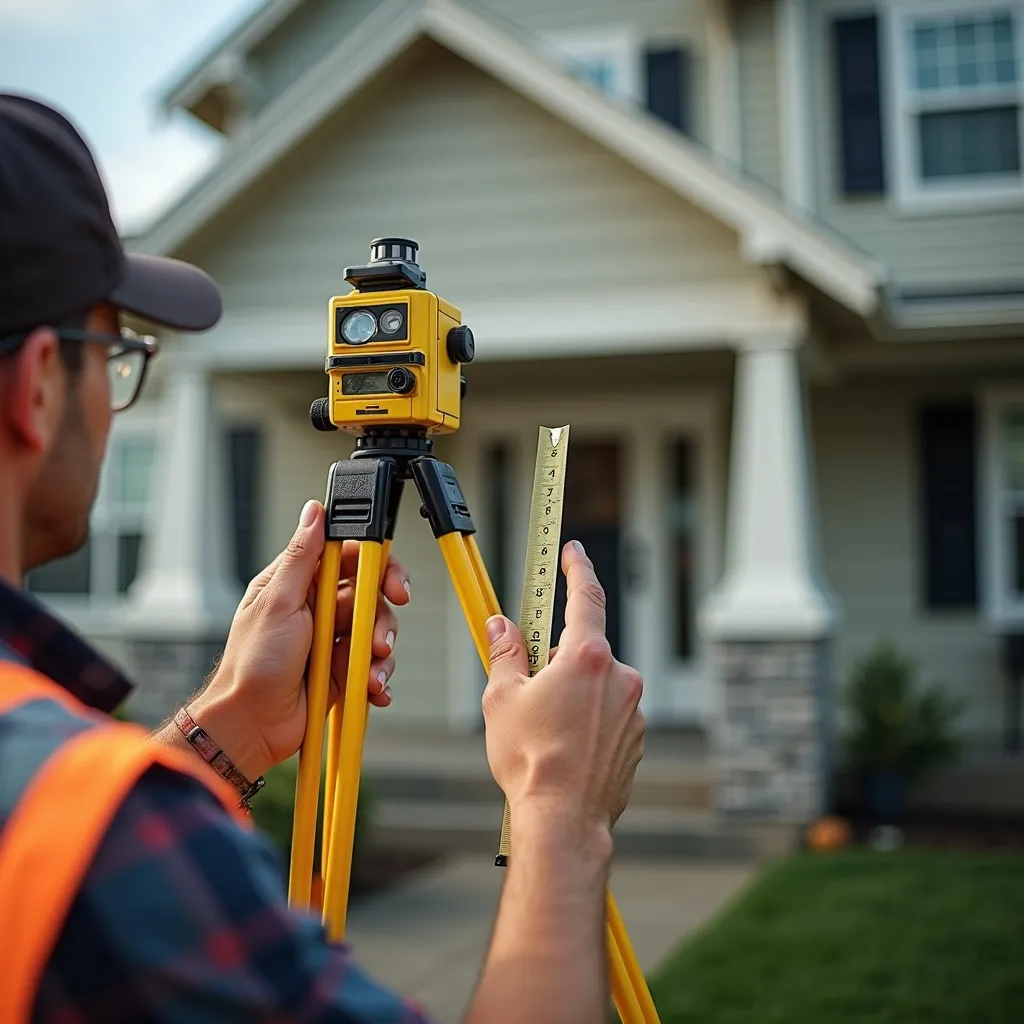
Grasping the Goal of an Estate Appraisal
An estate valuation functions as a essential instrument in determining the value of a departed individual's assets. This process is crucial for several reasons, mainly to facilitate the fair allocation of property among inheritors and recipients. It offers a precise valuation that can help in resolving liabilities and taxes, guaranteeing that the estate satisfies legal standards. Furthermore, an accurate appraisal assists in minimizing disputes among relatives, thereby fostering a smoother change during what is often a difficult time.
Furthermore, an property assessment can also assist in identifying and documenting the assets for future generations. It establishes a baseline value that can be used for anticipated future sales or taxation purposes. Ultimately, understanding the significance of an estate appraisal demonstrates its capacity in achieving transparency and fairness in the administration of a deceased person's estate, contributing to effective estate planning and execution.
Fundamental Criteria Influencing Real Estate Valuation
Several important elements considerably influence property valuation during an estate appraisal. Location and accessibility often determine a property's desirability, while the condition of the property itself can impact its overall worth. Additionally, market trends analysis provides insight into current economic conditions that affect property values.
Location and Convenience
Location and availability play pivotal roles in determining property value, shaping buyer interest and market trends. Properties situated in desirable neighborhoods, close to amenities such as schools, shopping centers, and public transportation, generally fetch premium prices. Additionally, access to major roadways and employment hubs improves a property's appeal, making it more appealing to potential buyers. Areas with low crime rates and good school districts often see greater demand, further driving up property values. Conversely, properties in remote locations or those with limited access to essential services may experience lower valuations. Comprehending these factors allows sellers to effectively market their properties, boosting marketability and discover now ensuring ideal returns on investment.
Property Condition Assessment
property appraisal.
Market Trends Review
Market trends represent an important element in property valuation determination, molding buyer behavior and pricing strategies. Factors like local economic conditions, employment rates, and demographic shifts profoundly affect market demand. Additionally, interest rates and credit availability influence how buyers navigate property purchases. Seasonal trends regularly affect buyer activity, with certain periods observing higher sales volumes. Furthermore, neighborhood developments, such as new amenities or infrastructure projects, can strengthen property desirability. Understanding these dynamics enables appraisers and property owners to adjust their strategies accordingly. By regularly tracking these trends, stakeholders can make well-informed choices, ensuring that property valuations reflect current market realities and maximizing potential returns. Ultimately, a comprehensive market trends analysis is paramount for effective estate appraisal.
Instructions for Selecting a Experienced Appraiser
Picking a qualified appraiser requires careful consideration to a number of vital considerations. Credentials and experience play an essential role, along with the appraiser's familiarity with the local market. In addition, recognizing the assessment techniques employed can greatly influence the correctness and trustworthiness of the property valuation.
Professional Background and Experience
When seeking a competent appraiser, it is crucial to examine their qualifications and background, as these elements significantly affect the correctness and dependability of the appraisal. A certified appraiser typically possesses an appropriate designation from an recognized professional organization, such as the Appraisal Institute or the American Society of Appraisers. Additionally, substantial experience in the profession, particularly with the kind of property being appraised, is essential. Prospective clients should ask about the appraiser's background, including the total of appraisals completed and any specializations. It's also advantageous to check for continued education, which demonstrates a commitment to staying up-to-date with industry standards and practices. In aggregate, these parts confirm a versatile professional equipped of delivering accurate appraisals.
Regional Market Awareness
Grasping local market dynamics is vital for picking a skilled appraiser, as their understanding of the area can greatly impact the appraisal's reliability. An appraiser holding in-depth knowledge of the local real estate landscape will be better positioned to determine property values in light of recent transactions, neighborhood trends, and economic signals. It is recommended to identify appraisers who have been active in the specific locality for several years, as they will carry insights into distinctive elements affecting property worth. Additionally, checking for local certifications or participation in relevant associations can additionally confirm an appraiser's competence. Ultimately, choosing someone knowledgeable in local market conditions can lead to a more precise and beneficial property valuation.
Valuation Framework Utilized
The valuation technique employed by a certified expert is a critical component influencing property assessment. Appraisers generally use three primary methods: the comparable sales method, the cost approach, and the revenue-based method. The comparable sales method assesses similar properties sold in recent years in the area, while the cost approach estimates the outlay of reconstructing the property less depreciation. The income approach is often used for investment properties and calculates revenue generation capacity. When selecting an appraiser, individuals should prioritize qualifications, such as certifications and professional experience. It is also important to assess their knowledge of local economic conditions and real estate categories. A experienced appraiser can provide a comprehensive evaluation, guaranteeing accurate and favorable property valuation for estate purposes.
Get Your Property Prepared for an Assessment
Getting a property ready for appraisal is vital for getting an exact valuation. Homeowners should start by making sure that the property is clean and clutter-free, which enables appraisers to view its full potential. Basic cosmetic improvements, such as fresh paint or minor repairs, can significantly increase appeal.
In addition, it is suggested to gather applicable documents, such as previous appraisals, tax assessments, and property disclosures, as these furnish useful information for the appraiser. Landscaping should also be given attention; carefully tended gardens and lawns can generate a positive first impression.
Finally, property owners should be ready to supply a list of unique features and upgrades, as these components may affect the total worth. By taking these steps, property owners can facilitate a easier appraisal process and possibly increase their property's value.
Widespread Property Valuation Oversights to Evade
Numerous typical mistakes can hinder the property valuation procedure and potentially lead to inaccurate assessments. One common error is failing to supply complete and accurate details about the property. Incomplete details can distort the appraiser understanding, causing errors in calculation. Another mistake is failing to take into account current market conditions and comparable sales, which can significantly impact property values. Overlooking necessary repairs or upgrades also creates difficulties; property assessors need to evaluate the current condition of the property's with precision.
Moreover, depending solely on online assessment tools can deceive homeowners, as these tools often miss regional market subtleties. Sentimental attachment to the real estate may obscure judgment, resulting in unrealistic expectations regarding worth. Finally, not engaging a qualified valuation professional can compromise the assessment's credibility. By steering clear of these common pitfalls, property owners can guarantee a more precise and advantageous estate appraisal.
Increase Your Asset Value Through These Solutions
Elevating property value requires a comprehensive plan that includes both aesthetic and functional improvements. First, enhancing curb appeal is essential; basic landscaping, new paint, and properly kept pathways can make a strong initial impact. Inside, updating kitchens and bathrooms often produces the greatest profits. Modern fixtures and energy-efficient appliances can attract potential buyers.
Also, organizing and presenting the home make it more attractive and allow prospective buyers to envision themselves living in the space. Investing in small fixes, such as fixing leaky faucets or installing new floors, can also greatly enhance attractiveness.
In addition, adding smart home technology delivers a up-to-date edge that numerous buyers desire. In conclusion, grasping local market dynamics and pricing strategically can establish the property advantageously. By applying these strategies, property owners can enhance their asset's value and guarantee a more favorable appraisal outcome.
What to Take Action on After Your Property Valuation?
After implementing strategies to enhance property value, the following actions after an assessment are vital. Property owners should initially examine the appraisal report carefully, ensuring they understand the valuation and any factors affecting it. If discrepancies or concerns arise, it is essential to address them promptly, potentially via a conversation with the appraiser.
Next, property holders should consider their financial objectives. Whether planning to sell, refinance, or retain the property, matching approaches with the appraisal findings is essential. For those selling, leveraging the appraisal value can guide pricing and promotional approaches successfully.
Additionally, owners might seek advice from property specialists regarding perspectives on market trends, ensuring they fully utilize their real estate's potential. Finally, being well-informed about ongoing property improvements and market conditions can support the preservation of or enhance value over time, making the evaluation a foundational tool in long-term property management and strategy.
Common Queries Asked Often
How Many Times Should I Have My Estate Assessed?
Specialists advise estate valuations every three to five years, or after significant changes, such as renovations or market fluctuations. Periodic evaluations guarantee property values accurately reflect current conditions, helping informed decision-making for owners and potential buyers.
Can I appeal an appraisal amount I disagree with?
Yes, an homeowner can appeal an appraisal value they take issue with. This approach often requires submitting proof supporting their claim, such as neighborhood sales or physical condition, to the proper authority or appraisal board for review.
Which Files Are Required for an Property Assessment?
An appraisal necessitates essential documents which typically comprise property deeds, previous appraisals, tax assessments, renovation records, and any relevant photographs. These materials facilitate the appraiser in accurately assessing the property's current market value.
How long does an estate appraisal usually take?
An estate appraisal typically requires between one to three hours, depending on the real estate's size and intricacy. However, final reports may require additional time for analysis and documentation before finalization and submission to the customer.
Can an Appraisal Value Influence My Tax Bill?
An appraisal value can significantly impact property taxes. Local tax authorities often use appraised values to calculate tax assessments, meaning a higher appraisal may result in increased property taxes, impacting the owner's financial burden.