Full Property Appraisal: Improve Your Real Estate's Value
A detailed property evaluation serves as a vital function in assessing a real estate's worth, notably following the loss of a loved one. It secures an fair distribution of assets among inheritors and facilitates in satisfying financial obligations. Grasping the differing elements influencing appraisal is vital. Moreover, appointing the fitting appraiser can substantially impact the outcome. With numerous elements at play, how can property owners best get ready for this process?
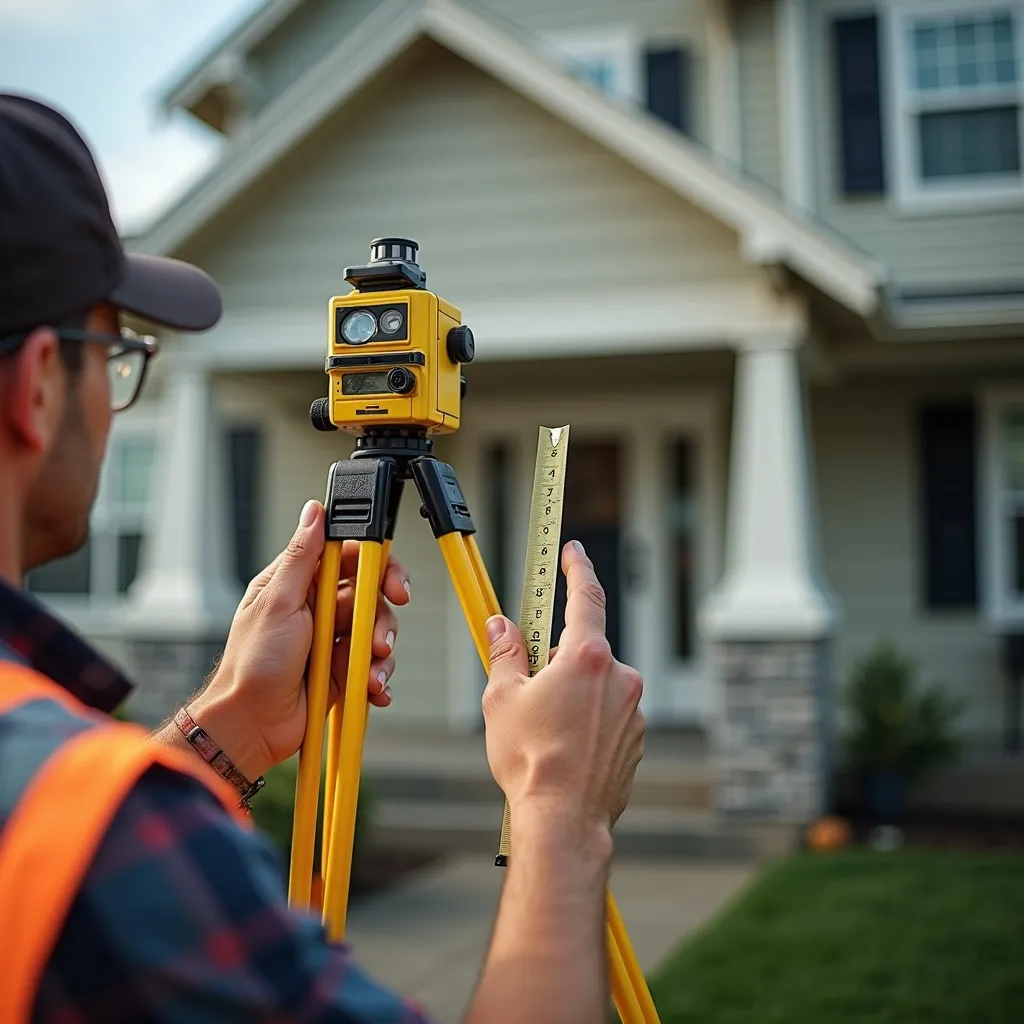
Comprehending the Purpose of an Real Estate Assessment
An estate appraisal serves as an essential mechanism in determining the worth of a deceased person's holdings. This process is vital for various reasons, chiefly to facilitate the fair distribution of holdings among beneficiaries and inheritors. It provides a definitive valuation that can help in settling debts and taxes, ensuring that the estate fulfills legal needs. Also, an reliable appraisal helps in minimizing disagreements among family members, consequently fostering a more streamlined change during what is often a challenging time.
In addition, an estate appraisal can also enable identifying and documenting the valuables for future generations. It sets a baseline value that can be turned to for potential future sales or tax reasons. At the end of the day, comprehending the purpose of an estate appraisal stresses its importance in promoting transparency and fairness in the management of a late person's estate, contributing to responsible estate planning and execution.
Critical Variables Shaping Property Values
Several key factors significantly affect property valuation during an estate appraisal. Location and accessibility often establish a property's desirability, while the condition of the property itself can impact its overall worth. Additionally, market trends analysis provides insight into current economic conditions that affect property values.
Position and Availability
Location and convenience are key factors in determining property valuation, influencing buyer interest and market movements. Properties located in desirable neighborhoods, near amenities such as schools, shopping centers, and public transportation, typically achieve higher prices. Moreover, accessibility to major roadways and employment hubs boosts a property’s appeal, making it more desirable to potential buyers. Areas with low crime rates and good school districts frequently experience stronger demand, further increasing property values. On the other hand, properties in remote locations or those with limited access to essential services might see reduced valuation. Understanding these factors enables sellers to strategically position their properties, improving marketability and ensuring optimal returns on investment.
Property State Evaluation
Beyond location and accessibility, the state of a property substantially impacts its valuation. Key components include structural integrity, age, and maintenance history. A properly maintained property typically achieves a higher price, as buyers are often willing to pay a surcharge for move-in readiness. In contrast, properties needing major restoration work or renovations may deter potential buyers, leading to jump in reduced bids. Moreover, improvements in critical systems—such as plumbing, electrical, and roofing—can increase value, while ignoring these areas can result in value decline. A comprehensive property assessment not only pinpoints these factors but also delivers a transparent picture for prospective clients, ultimately affecting the property's salability and ultimate selling price. Assessing the property's state is, therefore, a vital component of precise property valuation.
Marketplace Movements Assessment
Market trends play a pivotal role in establishing property valuation, influencing buyer behavior and pricing strategies. Factors such as local economic conditions, employment rates, and demographic shifts significantly influence market demand. Additionally, interest rates and financing availability determine how buyers approach property purchases. Seasonal trends often affect buyer activity, with certain periods experiencing increased sales volumes. Furthermore, neighborhood developments, such as new amenities or infrastructure projects, can improve property desirability. Understanding these dynamics allows appraisers and property owners to align their strategies accordingly. By closely tracking these trends, stakeholders can make informed decisions, ensuring that property valuations reflect current market realities and increasing potential returns. Ultimately, a comprehensive market trends analysis is vital for effective estate appraisal.
Guide to Picking a Knowledgeable Appraiser
Picking a qualified professional necessitates careful consideration to several key factors. Expertise and track record play an essential role, just as the appraiser's familiarity with the community marketplace does. In addition, understanding the appraisal methodologies utilized can substantially affect the exactness and trustworthiness of the home assessment.
Professional Credentials and Track Record
When locating a competent appraiser, it is vital to evaluate their qualifications and expertise, as these factors substantially influence the accuracy and dependability of the appraisal. A certified appraiser typically holds an appropriate designation from an established professional organization, such as the Appraisal Institute or the American Society of Appraisers. Additionally, considerable experience in the field, particularly with the category of property being appraised, is important. Prospective clients should ask about the appraiser's performance history, including the total of appraisals completed and any specializations. It's also helpful to review ongoing training, which shows a commitment to keeping current with industry standards and practices. Collectively, these elements ensure a well-rounded professional capable of delivering accurate appraisals.
Local Market Expertise
Understanding local market dynamics is imperative for selecting a qualified appraiser, as their insight into the location can dramatically shape the appraisal's correctness. An appraiser with broad familiarity of the local real estate landscape will be better equipped to value property values based on recent sales, local movements, and business conditions. It is advisable to search for appraisers who have functioned in the precise region for several years, as they will possess insights into distinctive variables influencing property worth. Additionally, examining local certifications or connections with industry organizations can additionally substantiate an appraiser's knowledge. Ultimately, choosing someone proficient in regional market awareness can lead to a more precise and constructive property valuation.
The Appraisal Approach Used
The appraisal methodology applied by a qualified appraiser serves as a vital component influencing property appraisal. Appraisers regularly employ three core approaches: the comparative market analysis, the cost approach, and the income approach. The comparative market analysis evaluates similar properties recently sold in the region, while the cost approach figures the expense of reconstructing the property less deterioration. The income approach is often used for rental assets and calculates potential revenue generation. When selecting an appraiser, property owners should emphasize credentials, including certifications and experience. It is equally important to assess their knowledge with area market conditions and real estate categories. A knowledgeable professional can deliver a comprehensive evaluation, guaranteeing precise and favorable property valuation for succession planning.
Ensure Your Property is Ready for an Appraisal
Getting a property ready for appraisal is important for achieving an accurate valuation. Homeowners should start by making sure that the property is organized and free of clutter, which enables appraisers to see its full potential. Simple cosmetic improvements, such as fresh paint or minor repairs, can substantially improve appeal.
Additionally, it is advisable to compile applicable documents, including previous appraisals, tax evaluations, and property disclosures, as these supply useful context for the appraiser. Landscaping should additionally be considered; well-maintained gardens and lawns can establish a good first impression.
Ultimately, homeowners should be prepared to provide a list of distinctive improvements and enhancements, as these elements may influence the overall value. By taking these steps, homeowners can facilitate an smoother appraisal process and potentially increase their estate's worth.
Common Estate Valuation Errors to Prevent
Numerous common mistakes can impede the estate assessment process and conceivably produce unreliable assessments. One regular error is neglecting to give detailed and accurate property data. Fragmentary particulars can distort the appraiser's comprehension, resulting in errors. Another error is overlooking recent sales data and market movements, which can significantly alter property prices. Overlooking required improvements or repairs also presents an issue; appraisers are required to evaluate the property's existing status precisely.
Additionally, depending exclusively on digital assessment platforms can deceive owners, as these instruments often lack local market nuances. Sentimental connection to the property may obscure judgment, resulting in unrealistic expectations regarding value. Finally, not hiring a certified appraiser can jeopardize the appraisal's integrity. By steering clear of these typical mistakes, property owners can guarantee a more precise and beneficial estate appraisal.
Increase Your Property Value By Implementing These Techniques
Elevating property value requires a strategic approach that encompasses both visual and practical improvements. First, boosting exterior attractiveness is essential; simple landscaping, fresh paint, and well-maintained walkways can create a memorable initial impact. Inside, renovating kitchens and baths often yields the highest returns. Contemporary finishes and eco-friendly equipment can draw in prospective purchasers.
Furthermore, decluttering and staging the home make it more inviting and enable prospective buyers to envision themselves occupying the space. Making minor repairs, such as repairing dripping taps or updating damaged floors, can also significantly enhance appeal.
Furthermore, integrating smart home technology offers a modern advantage that many buyers desire. In conclusion, understanding local market patterns and strategically pricing can situate the property positively. Through executing these strategies, property investors can improve their asset's value and guarantee a more favorable appraisal result.
Actions to Take After Your Assessment?
Following the application of methods for boosting property value, the subsequent steps after an appraisal are significant. Property owners should start by examining the appraisal report comprehensively, confirming they grasp the valuation and any factors impacting it. If discrepancies or concerns occur, it is vital to tackle them in a timely manner, possibly through a dialogue with the appraiser.
Next, owners should evaluate their financial objectives. Whether planning to sell, refinance, or keep the property, aligning strategies with the appraisal findings is critical. For those putting the property on the market, using the appraised value can direct pricing strategies and marketing approaches successfully.
Additionally, property owners could seek guidance from real estate specialists to understand emerging market trends, making sure they benefit from their property's worth. Finally, keeping up with ongoing property improvements and market situations can assist in maintaining or enhance value over time, rendering the assessment a key tool in long-term property oversight and approach.
Popular Questions Addressed
What Frequency Should I Get My Estate Appraised?
Specialists recommend property assessments every three to five years, or following significant changes, such as renovations or market fluctuations. Consistent reviews guarantee property values properly represent current conditions, facilitating informed decision-making for owners and potential buyers.
Can I lodge a challenge against an appraisal value I take issue with?
Yes, an party can dispute an appraisal value they disagree with. This process typically requires furnishing evidence substantiating their argument, such as comparable sales or property condition, to the relevant authority or assessment panel for review.
What Documents Are Needed for an Appraisal?
Conducting an valuation necessitates essential documents that typically feature property deeds, previous appraisals, tax assessments, renovation records, and any relevant photographs. These materials allow the appraiser to properly determine the property's current market value.
What Duration Does an Estate Appraisal Normally Require?
An estate appraisal typically takes between one to three hours, depending on the size and intricacy of the property. However, final documents may need additional time for review and paperwork before finishing and providing to the client.
How Does an Appraised Value Determine My Annual Taxes?
An appraisal value can markedly influence property taxes. Local tax authorities often apply appraised values to establish tax assessments, meaning a higher appraisal may generate increased property taxes, impacting the owner's economic burden.